Coffee Bean Roast Dates Explained: How Freshness Changes Flavor and Brew Time
A bag roasted four days ago and a bag roasted four months ago can sit on the same shelf wearing almost identical labels. Both say whole bean, both name a farm, both promise chocolate and citrus. Then you open them and they behave like completely different coffees. One blooms into a thick dome and tastes sweet and lively; the other flattens out, drains fast, and finishes on a papery note you can't fix with a better grinder.
That gap is why the roast date matters more than almost anything else printed on the bag, and why it's worth learning to read it, plan around it, and adjust your brewing as the coffee moves through its life.
Start With the Roast Date, Not the Best-Before
The most useful number on a coffee bag is the day the beans were roasted. It's usually stamped under the valve, on a sticker on the base, or printed on the back beside the batch code. Some roasters add a "best within" window; that's a helpful extra, but the roast date is the anchor.
A best-before date is a shelf-life marker, often set many months out, and it tells you nothing about whether the coffee is at its peak or well past it. A bag stamped with a date next autumn could have been roasted last week or last winter. If a bag carries no roast date at all, treat that as information too. Roasters who care about freshness tend to print it, and it's fair to buy accordingly.
One more distinction: whole bean and ground coffee run on different clocks. Once beans are ground, the surface area multiplies and the aromatics leave quickly, so the useful window shrinks from weeks to days. Buy whole bean when you can, and grind just before brewing.
The Freshness Curve in Plain Terms
Coffee doesn't flip from perfect to stale on a single day. It follows a curve, and where you land depends on roast level, processing, and storage. As a working guide:
- Days 1 to 3: The beans are still releasing a lot of carbon dioxide. Blooms balloon, espresso gushes, and the cup can taste sharp or slightly gassy. Rest it if you have the patience.
- Roughly days 4 to 14: The settling zone. Sweetness comes forward, acidity softens into something clearer, and the cup holds together. This is where most filter brewing hits its stride.
- Weeks 3 to 6: Aromatics begin to fade. The coffee is still enjoyable, just less vivid — the top notes go first, the base notes linger.
- Beyond two months: Flat, papery, occasionally woody. Brewing adjustments can keep it drinkable, but they can't bring back what has already gone.
Keep a note of the roast date on the bag and jot down which day each coffee tasted best to you. After a few bags you'll have a personal curve that's worth more than any general guideline.
How Age Changes What You Taste
Two processes do most of the work. The first is degassing. Freshly roasted beans hold carbon dioxide, and while it's escaping, that gas gets between the water and the coffee. Flavors read muddled, acidity feels prickly, and extraction is uneven. As the gas leaves, the cup becomes rounder and sweeter, and the acidity reads as brightness rather than a bite.
The second is oxidation. Oils and aromatic compounds react with oxygen, and the coffee drifts toward paper, cardboard, and a dull, slightly dusty finish. This is why old coffee doesn't taste "too weak" so much as hollow.
Roast level shifts the timing. Darker roasts release gas quickly, so they tend to be ready sooner and fade sooner. Light roasts are denser and often need more rest before they show their best — drink a very light roast on day two and it can taste thin and vegetal, then taste completely different a week later. Naturals and other heavily processed coffees can also be intense early and settle dramatically.
Resting: Give Beans the Time They Need
Espresso needs the most patience
Espresso is pressurized and unforgiving. Very fresh beans produce spritzy, uneven shots: fast flow, pale crema that collapses, and a cup that's simultaneously sour and harsh. Many espresso drinkers find their sweet spot somewhere around one to two weeks after roast, though dense light roasts can want longer.
Filter brewing is more forgiving
Pour-over and drip handle younger coffee reasonably well, and a coffee can be good to brew within a few days of roasting. If it tastes thin or sharply acidic at that age, give it another few days before changing your recipe.
Dark roasts and decaf move faster
Darker roasts are ready sooner and decline sooner. Decaffeinated beans are often more porous and can settle more quickly as well. If you drink decaf, buy smaller bags more often.
Adjusting Your Recipe as the Bag Ages
Older beans shed gas and become more permeable, so water moves through them faster. You'll see this before you taste it: espresso shots run quicker, and a pour-over that took three minutes drains in two. A few practical moves:
- Grind finer as the flow speeds up. If an 18 g dose ran 27 seconds at day eight and runs 21 seconds at day thirty, tighten the grind a notch or two and taste again.
- Add a little coffee. Half a gram to a gram more per brew restores body when the cup starts to feel watery, without pushing you into bitterness.
- Nudge the water temperature up. A degree or two hotter helps pull flavor from beans that have lost some easy extractability. Don't overdo it with dark roasts.
- Slow the pour. Smaller, gentler pulses keep contact time up without adding agitation, which is useful when the bed is draining fast.
- Expect a smaller bloom. A tired bag barely swells. That's normal, not a sign your technique broke. Wet the grounds anyway.
Change one variable at a time, and stop when the coffee tastes hollow rather than weak. Past a certain point, a finer grind only extracts more of what's left, and what's left isn't what you want.
Storage That Slows the Clock
Oxygen, heat, light, and moisture are the four things working against you. Keep beans in the original bag with the valve, squeeze the air out, seal it, and store it in a cupboard away from the stove and the window. Skip the fridge: the condensation cycle does more harm than the cool air does good. A freezer works for bags you won't open for a while, provided they're airtight and you let them come fully to room temperature before opening — and don't thaw and refreeze the same bag.
A Simple Routine for the Life of a Bag
- Note the roast date where you'll see it — on the bag, or in a phone note with the brew recipe you started with.
- Buy bags you'll finish in three to four weeks rather than a kilo you'll still be working through at Easter.
- Taste on day three, day ten, and day twenty, and write one line about each. It's the fastest way to learn your own preferences.
- Adjust one thing at a time as the bag ages: grind first, then dose, then temperature.
- Reorder before you run out, so you're never forced to choose between stale coffee and no coffee.
Freshness isn't a date you chase; it's a moving target you learn to work with. Know the roast date, give the beans the rest they need, and taste as they change. The bag in your kitchen is a different coffee this week than it was last week — and now you'll know what to do about it.
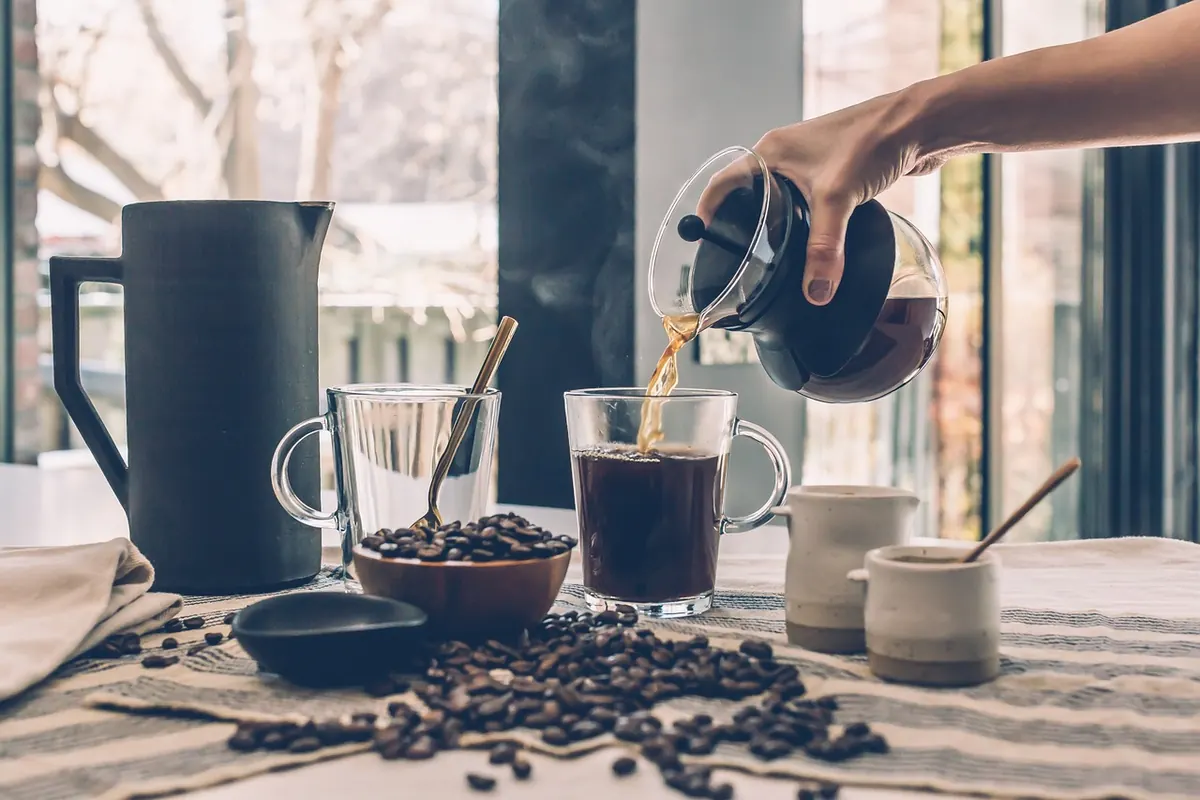
Photo: ka_re / Pixabay
Local Roaster Spotlight: How to Choose Beans from a Nearby Coffee Roaster
A practical guide to buying beans from a nearby roaster — how to read roast dates, what to ask at the...
Weekend vs. Weekday Coffee Brewing: A Time-Saving Routine Checklist
A practical checklist for splitting your coffee routine in two: fast, repeatable weekday brews and slower...
About Us