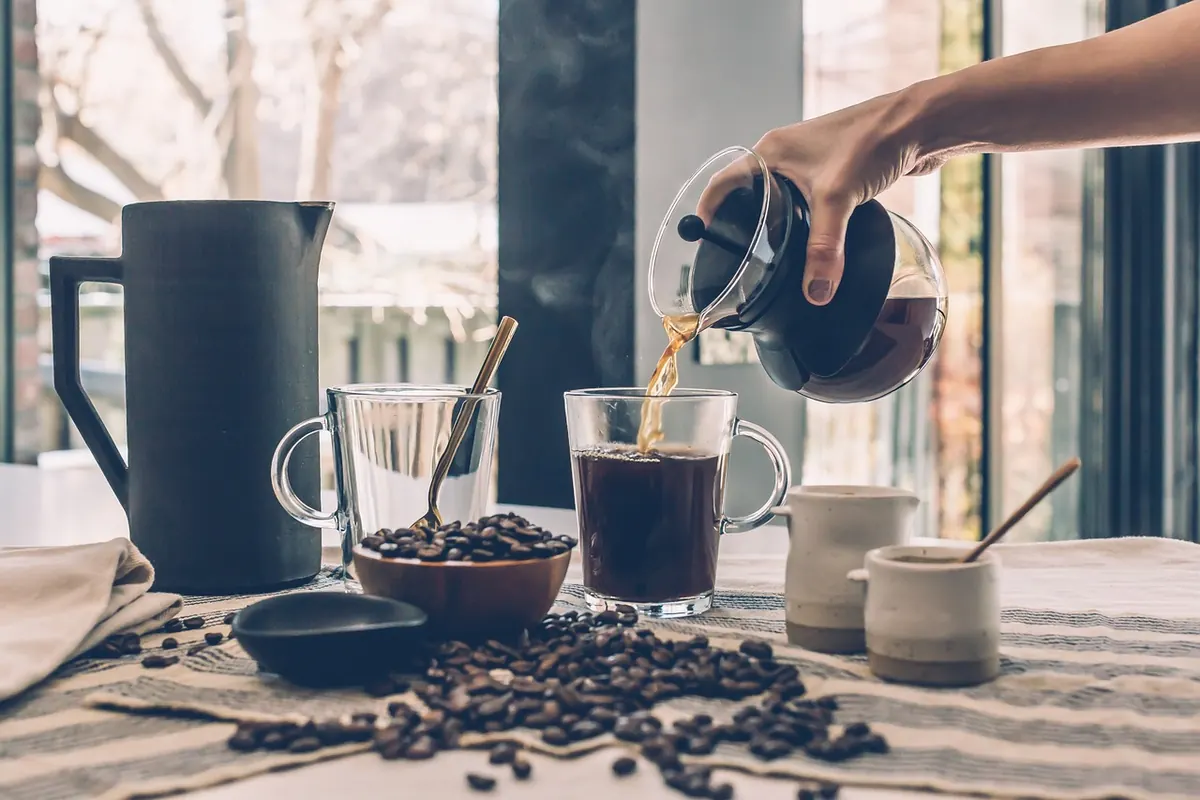
Weekend vs. Weekday Coffee Brewing: A Time-Saving Routine Checklist
Monday at 6:40 and Saturday at 9:15 are not the same coffee occasion, even when the same bag of beans sits on the same counter. One morning asks for a cup that is good enough to be worth drinking and quick enough to keep you out the door. The other asks for the ritual — the slow pour, the second cup, the ten minutes spent watching the bloom rise and fall. Running both mornings on the same routine usually means one of them suffers: you either rush the weekend or turn a Tuesday into a ceremony that makes you late.
The fix is not a single perfect method. It is a checklist for each kind of morning, written down once and then followed without much thought. What follows is the version that has survived real kitchens, small counters and the occasional 5:50 alarm.
Two Mornings, Two Mindsets
A weekday brew is a problem of decisions. Every choice you leave open at 6:45 — which beans, which grinder setting, which dripper, how much water — costs you attention you do not have yet. The weekday checklist exists to close those decisions in advance, so the brewing itself becomes almost mechanical.
A weekend brew is the opposite problem. You have the time, but time alone does not make a better cup. Attention does. The weekend checklist exists to add a small number of deliberate steps — weighing, tasting, noticing — rather than simply stretching the same routine over twenty minutes.
Keep the two lists separate. Blending them is how people end up with a four-minute weekday brew that tastes like a compromise and a weekend brew that somehow still feels rushed.
The Weekday Checklist: Speed Without Ruining the Cup
The goal here is a cup you would happily order in a café, produced in under five minutes of actual work. Not a cup you would photograph. Here is what needs to be true before you go to bed.
- Beans are pre-dosed. Weigh 20 g into a small jar or straight into the dripper the night before. Twenty grams to about 320 g of water is a sensible starting ratio for most methods; adjust from there.
- The grinder is already on the right setting. Dial it in once at the weekend and leave it alone. If you switch beans midweek, expect to nudge it.
- The kettle holds water, not a task. Fill it to a marked line the night before so you are not guessing while half awake.
- One method, chosen in advance. Weekday is not the time to experiment with a new brewer you have used twice.
- The kit is out and the filter is in. Dripper on the mug, scale on the counter, timer where you can see it.
- Yesterday's grounds are already in the bin. This one small habit prevents more weekday friction than any gadget.
In the morning: kettle on, filter rinsed with a splash of hot water, grounds in, pour, done. If your method needs a bloom, keep the bloom short and pour the rest in two additions. If it doesn't, so much the better — an immersion brewer or a French press forgives a distracted pour in a way a delicate pour-over does not.
The Weekend Checklist: Room to Pay Attention
Weekend brewing earns its name when you change one variable and notice the result. Otherwise the extra time is just waiting. A simple sequence:
- Pick the method before you touch the kettle. Decide whether you are chasing clarity or body, and choose accordingly.
- Weigh and grind fresh, at a slightly different setting than the weekday one. This is how you learn what your grinder does.
- Rinse the filter and preheat the carafe. Small thing, real difference in the cup.
- Bloom properly. A short pause with just enough water to saturate the grounds, then let it settle.
- Pour in stages and keep the water level steady. Watch the bed rather than the clock.
- Taste at two temperatures. The cup at four minutes and the cup at ten are not the same drink.
- Write down one thing to change next time. One line on your phone is enough.
The weekend brew is not slower because you have time. It is slower because you are choosing what to notice.
This is also the moment to clean the grinder, descale the kettle, or finally wash the carafe properly. Chores sit better on a Saturday, and they make every weekday after them easier.
Prep Steps That Buy You Minutes
The night before
Three minutes after dinner does more for your morning coffee than any upgrade. Dose the beans. Empty and rinse the dripper. Fill the kettle. Set out the mug and the scale. If you use a moka pot, assemble it dry and leave it on the stove unlit. If you drink cold brew, this is when you start the next batch, not at 7:10 tomorrow.
The first two minutes of the morning
Kettle on first, everything else second. While the water heats, set the dripper, rinse the filter and add the grounds. By the time the water is ready, the rest of the setup is finished. That single ordering — heat first, assemble second — saves more time than any shortcut in the brewing itself.
Matching the Method to the Morning
Weekday-friendly methods
AeroPress, Clever Dripper, French press and a pre-programmed batch brewer all tolerate a distracted brewer. They are immersion-led or fully automatic, so small timing slips cost you little. If you drink espresso on weekdays, a machine that has been left on for ten minutes before you arrive in the kitchen is a genuinely useful habit.
Weekend methods
Pour-over cones, Chemex, siphon and any serious espresso dial-in session reward the time you give them. So does a comparative tasting — two cups, one variable changed. These are not worse on a Tuesday; they simply ask for attention you would rather spend elsewhere at that hour.
When the Week Gets Complicated
Some mornings fall between the two lists. You are working from home, or the meeting moved, or nobody is watching the clock. Treat these as hybrid days: follow the weekday checklist but add exactly one weekend step — a proper bloom, a second taste, a fresh grind instead of the pre-dosed jar. One step is enough to make the cup feel deliberate without turning it into a project.
The reverse also works. On a weekend when you are rushing out to something better than coffee, use the weekday routine without guilt. The rituals are there to serve the mornings, not to become a second job.
A Checklist You'll Actually Keep
Write both lists on a card and tape it inside a cupboard door. Keep them short enough to read in ten seconds — five lines for weekdays, seven for weekends, no more. After two weeks, cross out what you never do and add the one step you keep forgetting. A checklist that gets edited is a checklist that is still being used.
One more thing: check your water. If your tap water tastes strongly of anything, filter it. No brewing method, however well timed, will fix a cup made with water you would not drink on its own.
Start with the weekday list this week and leave the weekend alone. Once the fast routine runs without thinking, the slow one has room to become something you actually look forward to.
Photo: rahulsankraft / Pixabay
Local Roaster Spotlight: How to Choose Beans from a Nearby Coffee Roaster
A practical guide to buying beans from a nearby roaster — how to read roast dates, what to ask at the...
How Long Should You Steep French Press Coffee? A Time-and-Taste Guide
French press coffee needs roughly 3 to 6 minutes depending on grind size and taste, plus small adjustments...
About Us