Local Roaster Spotlight: How to Choose Beans from a Nearby Coffee Roaster
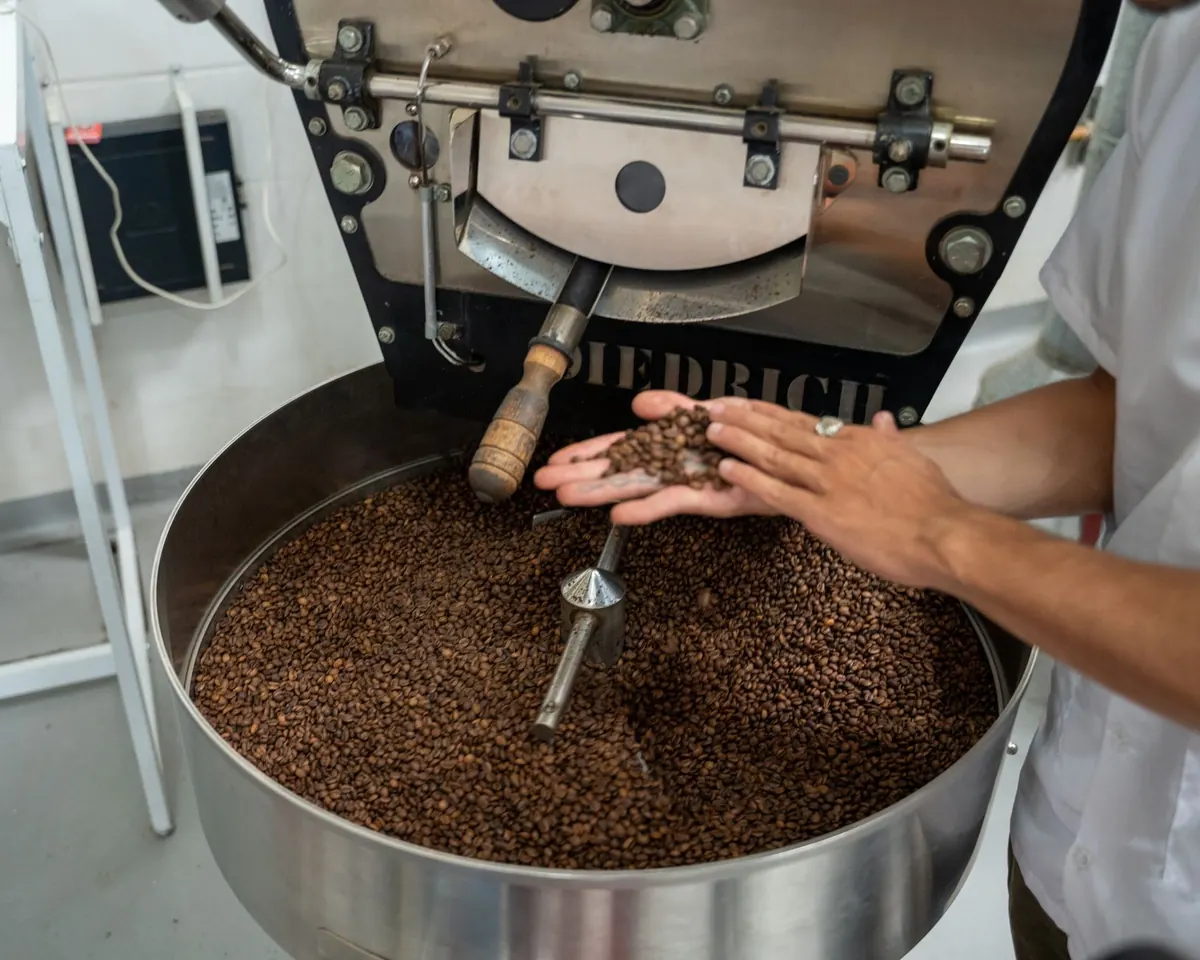
A roaster ten minutes away is a different proposition from a bag on a supermarket shelf. Not because local coffee is automatically better — it isn't, and a dull roast is dull wherever it was fired — but because proximity changes what you can know. You can check a roast date before you pay. You can ask what a bean was roasted for. You can buy 250 grams instead of a kilo, drink it, and come back next month with an opinion. Those small advantages compound into better coffee at home far more reliably than any single expensive upgrade to your gear.
Find the roast date before you read anything else
Every bag carries a story about a farm at altitude and a family's third-generation washing station. Lovely. The first thing to look for is a printed roast date — an actual date, not a month, not a year, not "best before."
Coffee is a fresh product with a short window. Roasted beans spend their first few days releasing carbon dioxide, which makes them taste flat and slightly sour, then settle into a period of a few weeks where most of the sweetness and acidity you paid for is on show. Many brewers find filter coffee hits its stride somewhere between four and ten days off roast, with espresso often a little later, once the beans have degassed enough to extract evenly. A "best before" date a year in the future tells you nothing about any of this.
The squeeze test
Most good bags have a one-way valve. Pinch the bag gently near it and you should get a faint puff of aroma — not a hiss, just a suggestion. Nothing at all could mean the bag is older than you think, or simply that the coffee has finished degassing. It's a clue, not a verdict, but it's worth doing before you commit.
Three questions worth asking at the counter
You don't need to become a coffee bore to get useful answers. Three short questions cover most of it, and any decent roaster will enjoy being asked.
- "When was this roasted?" You're hoping for a date in the last two or three weeks. If everything on the shelf is six weeks old, that tells you something about how fast the shop turns over.
- "What was it roasted for?" Beans built for milk drinks can taste muted and ashy as a pour-over. A very light filter roast can turn sour and thin in a pressurised espresso basket. A roaster who says "it's flexible, but it's happiest as a filter" has just saved you a week of frustration.
- "What's drinking well right now?" Roasters know which lots have rested long enough and which still need a few days. This is the single most useful question in the shop, and almost nobody asks it.
Add a fourth if you're curious: how much do you sell in? Small bags are the whole point of buying local. A 100g or 250g bag lets you test a coffee properly instead of committing to a kilo you'll be drinking out of duty in March.
Look for a roaster who actually brews
If there's a bar or a cupping table, order a cup of the exact coffee you're thinking about buying. Tasting it brewed by someone who knows the bean gives you a target to aim at with your own gear — and if it tastes bad in the shop, it is unlikely to taste better in your kitchen.
Where there's no bar, ask what recipe they'd use at home. A rough dose, a grind starting point, a brew time. Vague answers about scoops aren't a scandal; plenty of good roasters are mediocre baristas. But a roaster who can describe the coffee's process and varietal without reading the bag is usually paying attention to what they buy, and that attention tends to show up in the cup.
Match the bean to the way you actually brew
The most common mistake home brewers make with a new roaster is buying the most interesting-sounding bag rather than the one their equipment suits. Buy for your Tuesday morning, not for your imagination.
Filter, pour-over and drip
Light to medium roasts, washed or honey-processed lots, and origins known for clarity: East African coffees with their blackcurrant and citrus edge, Central American lots with stone fruit and brown sugar. These reward a careful pour and a medium grind. Very dark, oily beans tend to bury that clarity under roast flavour.
Espresso
Ask specifically for espresso roasts. They're usually developed a little further so they extract evenly under pressure and hold up in a small, intense shot. If you drink flat whites, say so — a coffee with enough body and sweetness to cut through milk is a different purchase from a delicate filter roast.
Immersion and cold brew
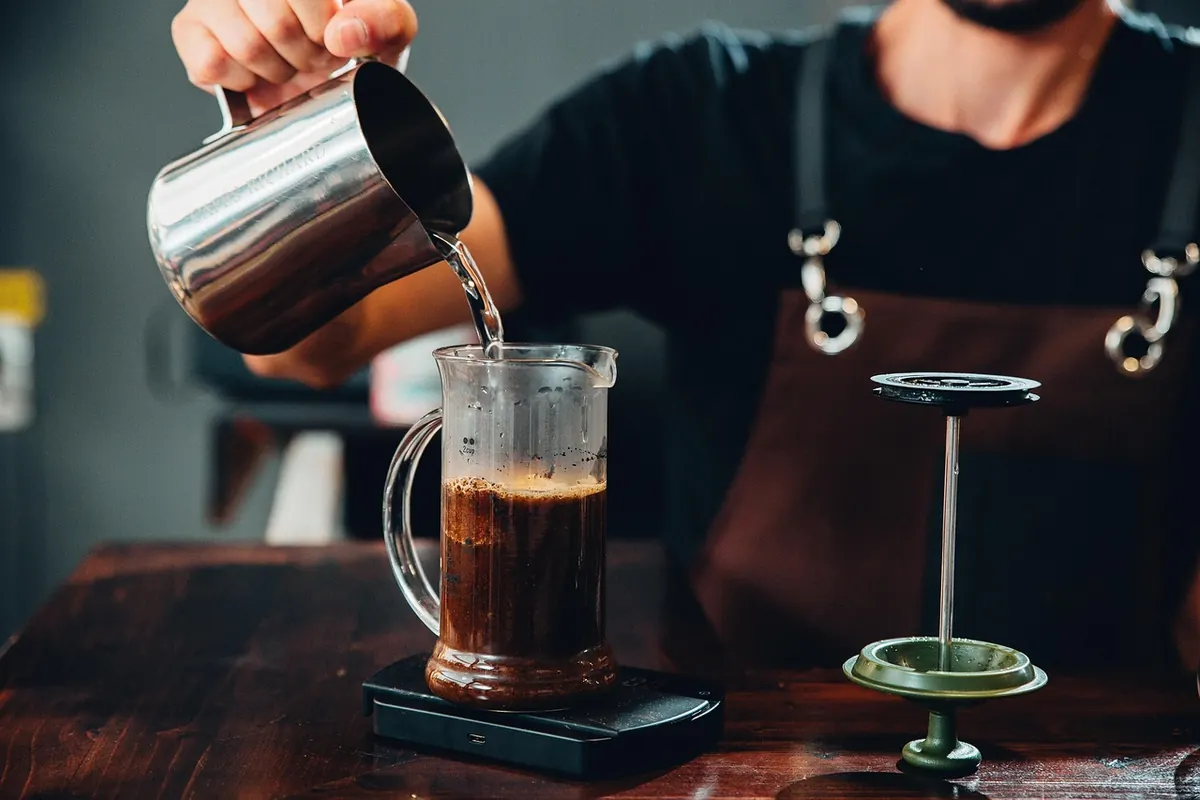
French press, AeroPress and cold brew are forgiving. Medium roasts with chocolate and nut notes — Brazilian lots are the obvious example — steep into something rounded and sweet with very little effort. Cold brew concentrates flavour, so a bean that tastes slightly plain hot can be exactly right over ice.
Buy small, rest the bag, and keep notes
Start with 250 grams. Drink it over two weeks rather than two days, and taste it on day three, day seven and day twelve. You'll likely notice the coffee change — tighter and gassier early, sweeter and more open later. That's not inconsistency; that's the product doing what it does.
Keep a note on your phone: the roaster, the coffee, the roast date, the dose and grind you used, and one line about what you thought. Three or four bags in, you'll have a personal map of which shelf at which roaster suits your palate. That's worth more than any tasting note printed on a bag, because it's about your water, your grinder and your tongue.
Store it somewhere boring
An airtight jar in a cupboard, away from the kettle and the window, is all you need. The fridge is the wrong place — condensation and last night's leftovers will find their way into the beans. Buy in quantities you'll finish within three or four weeks rather than stockpiling a favourite, and let the roaster do the ageing for you.
A first-visit checklist
Walk in with four things in mind and you'll leave with a better bag than most customers do.
- Check the roast date on the bag in your hand, not on the shelf label.
- Ask what the coffee was roasted for, and be honest about how you brew.
- Ask what's drinking well this week.
- Buy the smallest bag on offer, plus one more coffee in a different style — one filter roast, one espresso roast — so you have a comparison.
- Write the roast date on the bag if it isn't already clear, so you're not guessing next week.
Then go home, grind a little coarser than you think you need, and give the coffee a few days. A nearby roaster isn't a shortcut to good coffee on its own — but it turns buying beans from a guess into a conversation, and that's a habit worth building.
Photo: Raphael Loquellano / Pexels
Weekend vs. Weekday Coffee Brewing: A Time-Saving Routine Checklist
A practical checklist for splitting your coffee routine in two: fast, repeatable weekday brews and slower...
How Long Should You Steep French Press Coffee? A Time-and-Taste Guide
French press coffee needs roughly 3 to 6 minutes depending on grind size and taste, plus small adjustments...
About Us