French Press vs. Pour-Over: Which Brew Method Fits Your Morning Routine?
Six-forty in the morning is not the hour for a lecture on extraction theory. You want coffee, decent coffee, and you want to be out the door without a fight. The French press and the pour-over are the two brewers most people end up weighing against each other, and the choice usually turns on something more practical than flavor philosophy: how many minutes and how much attention you can spare before caffeine.
Both make very good coffee. They ask for different things, and they forgive different mistakes. Here's how they compare on the four things that actually decide the matter: flavor, time, capacity, and cleanup.
Immersion and Percolation, Side by Side
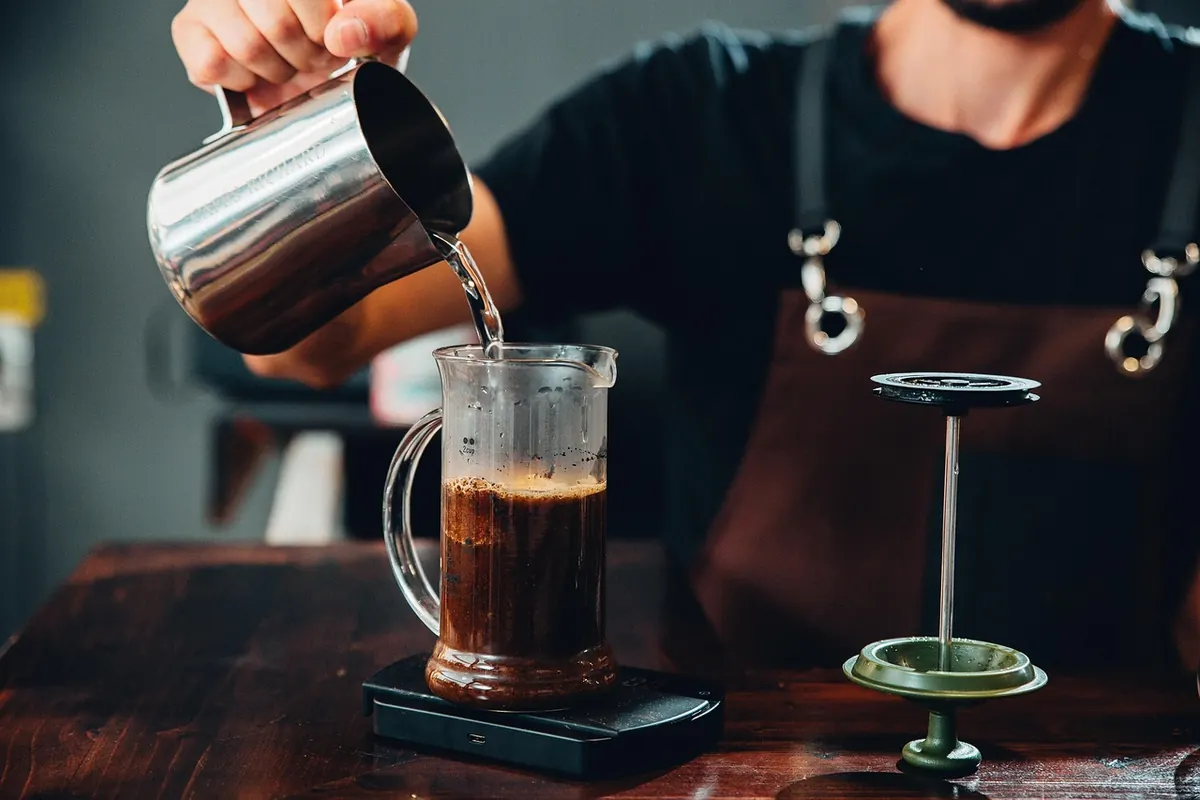
A French press is an immersion brewer. You put coarse grounds in the carafe, add hot water, and let everything sit together for about four minutes. The coffee steeps the way tea steeps. When you press the plunger, a metal mesh filter pushes the grounds to the bottom, but the oils and the finest particles slip through into your cup.
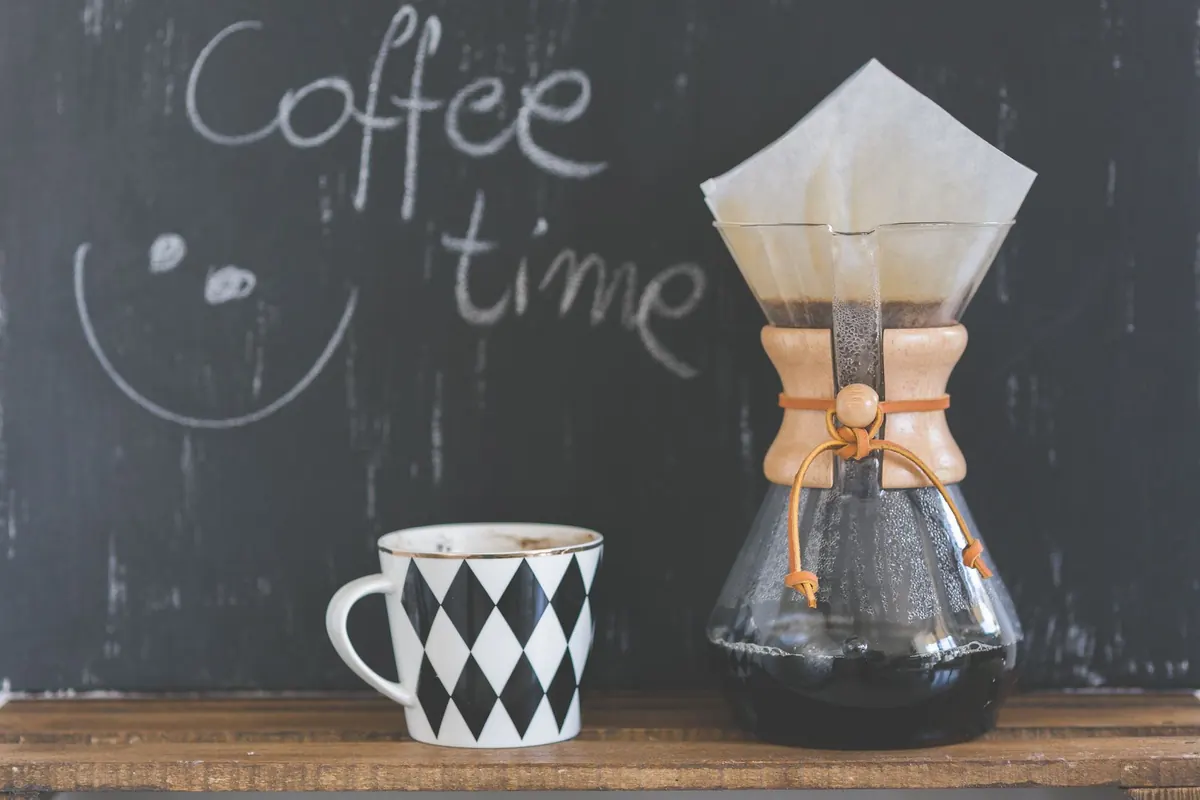
A pour-over is a percolation brewer. Water passes through the coffee bed once and leaves. The bed sits in a paper filter that catches nearly everything, including the oils, and the liquid drips into a carafe or mug below. Fresh water meets fresh grounds the whole way down, which is why the cup tastes different even when you use the same beans and the same ratio.
That single structural difference explains most of what follows.
What the Cup Actually Tastes Like
Use the same beans in both and you'll still get two recognizably different drinks. Neither is better in the abstract; they suit different beans and different moods.
The French press: weight and generosity
Immersion brewing keeps the coffee oils and a little sediment in the cup, and that reads as body. A good French press cup feels round and heavy on the tongue, with the darker, sweeter notes up front — cocoa, toasted nuts, dried fruit — and less of the high, acidic sparkle. It's forgiving with medium and dark roasts, and with beans a few weeks past their roast date.
The trade-off: it's muddier. Delicate floral or citrus-forward lots tend to get flattened, and a fine grind turns the cup gritty and bitter because the mesh can't hold it back. Coarse, evenly ground coffee is the whole game here — think sea salt, not sugar.
Pour-over: clarity and lift
Paper filtration strips the oils and leaves you with a cleaner, more transparent cup. Individual flavors separate instead of blending: you taste the blackcurrant in a Kenyan coffee, the jasmine in an Ethiopian one, the clean sweetness in a well-roasted Colombian. Light roasts show best here, which is part of why the method dominates modern specialty cafes.
It's also less forgiving. A sloppy pour, a bed that drains unevenly, water that's too hot — any of these shows up in the cup as sourness or bitterness. The upside is control: change the grind, the pour pattern, or the water temperature, and you can taste the difference in the next brew.
The Clock: What Each Method Asks of Your Morning
The French press looks slower on paper because of the four-minute steep. In practice, most of that time is unattended, which matters far more than the total. Pour-over finishes faster but asks you to stand there for the whole brew.
- French press, one mug: boil water (unattended), grind coarse, combine, set a timer, walk away. Four minutes later, plunge slowly and pour. Hands-on time: roughly two minutes, most of it cleanup.
- Pour-over, one mug: rinse the filter, grind medium-fine, bloom for 30–45 seconds, then three or four gentle pours over about two and a half minutes. Hands-on time: the full three to four minutes, because leaving the kettle mid-pour is how you get an uneven bed and a thin cup.
If your mornings include feeding a child, answering a message, or hunting for a missing shoe, the French press wins on flexibility. If you like a small ritual and drink your coffee standing at the counter anyway, pour-over costs you nothing extra.
Capacity, Cleanup, and Counter Space
French presses scale well. A one-liter carafe makes three or four generous mugs in one go, and the coffee holds up reasonably in a pre-warmed carafe for ten or fifteen minutes. That's the practical pick for two people, or for anyone who wants a second cup without brewing again.
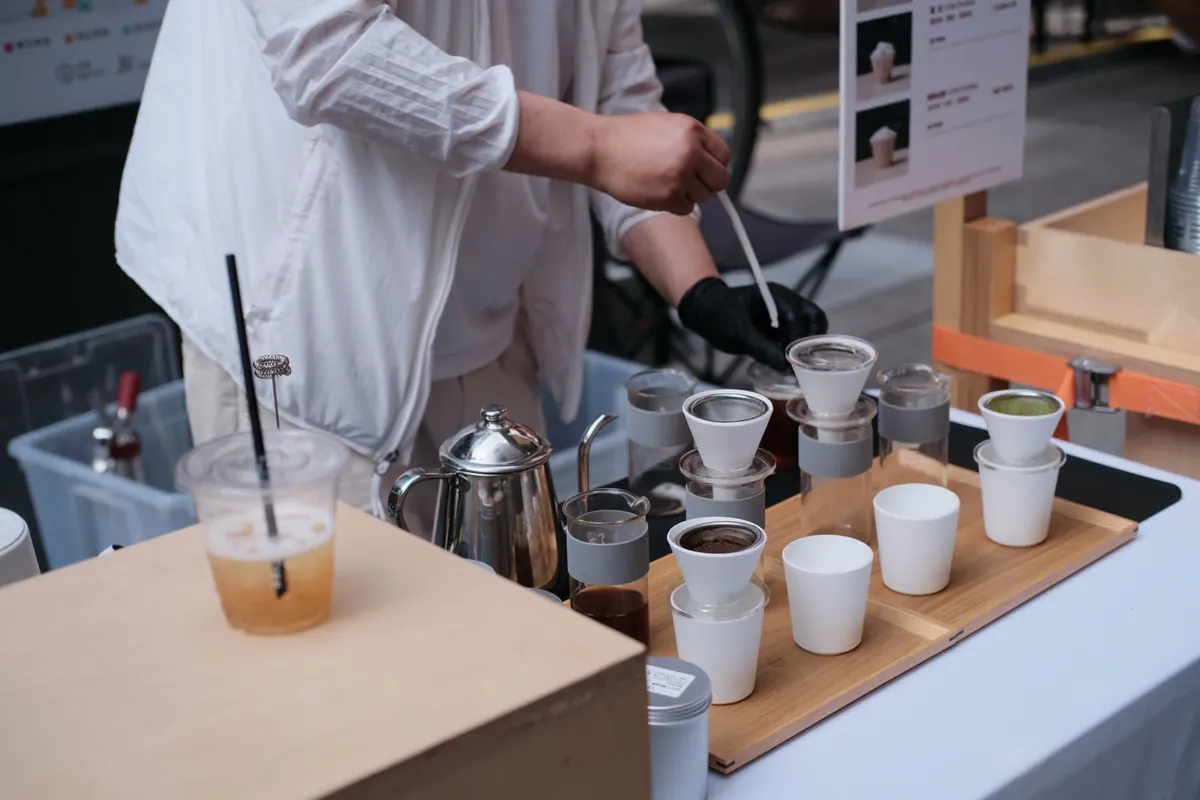
Pour-overs are mostly single-serve. Drippers and carafes come in larger sizes, and a six-cup glass carafe can serve a small table, but brewing two mugs usually means brewing twice.
Cleanup splits the other way. A pour-over leaves you with a paper filter full of grounds, which goes straight into the compost or bin, plus a dripper to rinse. A French press requires disassembly: pull the plunger, knock or rinse the grounds out, take the mesh apart and wash it, because old oils go rancid and will taste of last week. If grounds go down the sink, they will eventually help clog it — empty them into the bin first.
Three Details That Matter More Than the Method
Whichever you choose, these will change your cup more than the brewer will.
- A burr grinder. Pre-ground coffee works in a pinch, but fresh, consistently sized particles are the difference between a good cup and a mediocre one. Coarse for the press, medium-fine for the cone, and adjust from there.
- A ratio you can repeat. Start at roughly 1 gram of coffee to 15–16 grams of water — about 18 grams of coffee for a 280 ml mug. Weigh it for a week; after that your eye is usually close enough.
- Water just off the boil. Around 93–96 °C suits most coffees. Without a thermometer, boil the kettle and let it sit for thirty seconds to a minute.
Pick the One You'll Still Use on a Tuesday
The best brewer is the one you reach for on an ordinary morning, not the one that impresses on a Sunday. A few honest questions settle it.
- Choose the French press if you brew for more than one person, you like a heavier cup with darker roasts, you want to walk away during the steep, and a minute of washing up doesn't bother you.
- Choose the pour-over if you drink one mug at a time, you like light roasts and notice the difference between a clean cup and a muddy one, and you'd rather spend four attentive minutes than five scattered ones.
Plenty of people end up with both, and that isn't indecision — it's scheduling. The press for weekdays that start early and loud; the cone for mornings when you have ten quiet minutes and a bag of something interesting. If you're buying only one, start with the French press: it's cheaper to get into, harder to ruin, and it makes a mug most people are happy to drink. Add a dripper later, once you know what you're chasing.
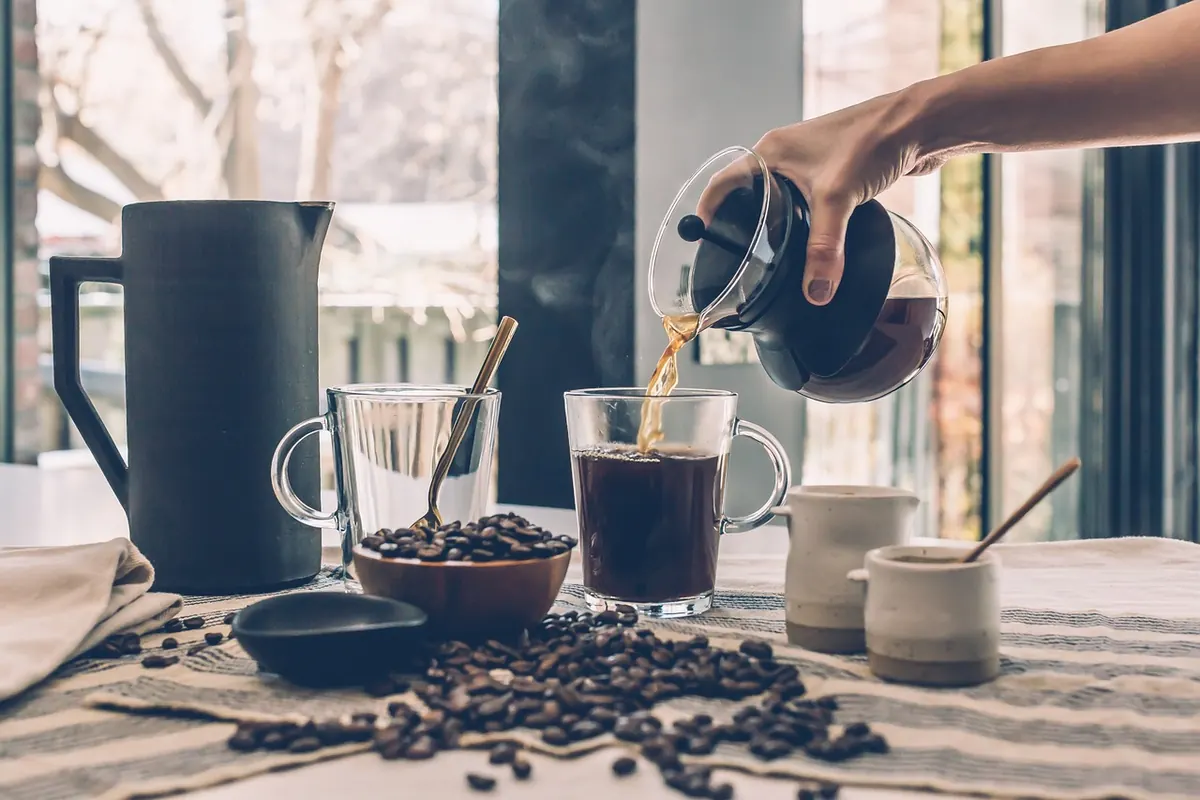
Photo: Wenhao Sun / Pexels
Local Roaster Spotlight: How to Choose Beans from a Nearby Coffee Roaster
A practical guide to buying beans from a nearby roaster — how to read roast dates, what to ask at the...
Weekend vs. Weekday Coffee Brewing: A Time-Saving Routine Checklist
A practical checklist for splitting your coffee routine in two: fast, repeatable weekday brews and slower...
About Us